Empowering Young Minds: Kid-Centric Stories That Promote Emotional Intelligence
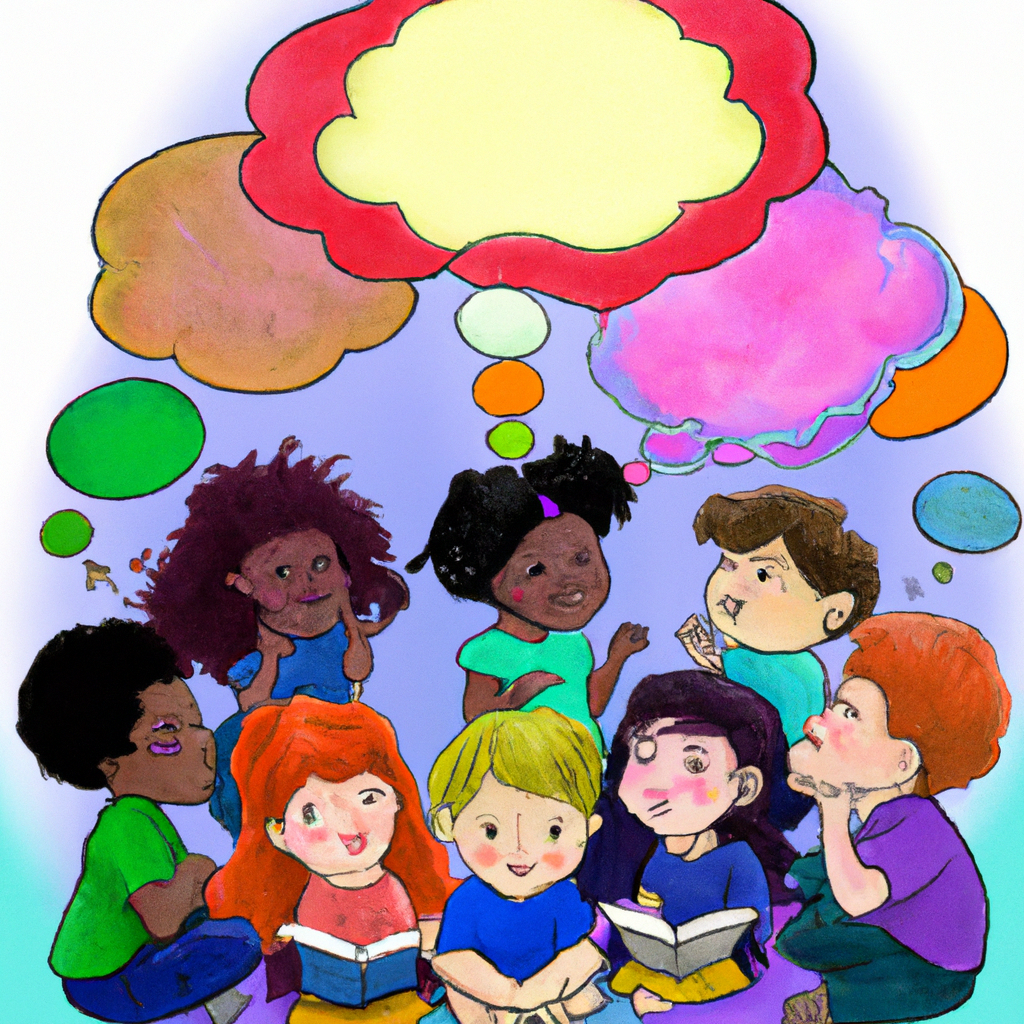
Empowering Young Minds: Kid-Centric Stories That Promote Emotional Intelligence
In today’s diverse and interconnected world, the importance of emotional intelligence (EI) in children cannot be overstated. Emotional intelligence encompasses the ability to recognize, understand, manage, and influence emotions—their own and those of others. While traditional academic skills are important, nurturing EI can lead to improved communication and relationships, better decision-making, and enhanced well-being. One of the most effective mediums for developing EI in children is storytelling.
The Power of Stories in Emotional Development
Children are naturally drawn to stories. Whether it’s through bedtime stories, books, or even oral tales told by family members, stories stimulate imagination, curiosity, and learning. They allow children to explore complex feelings and situations from a safe distance. When children listen to or read stories, they not only engage their cognitive skills but also their emotional faculties, laying the groundwork for a deeper understanding of their own emotions and those of others.
1. Character Connection: Relatable Characters and Situations
Child-centric stories often feature characters who face emotional challenges similar to those kids might experience in real life. For instance, books like The Feelings Book by Todd Parr or The Way I Feel by Janan Cain introduce characters grappling with emotions like sadness, anger, and joy. These relatable situations invite children to reflect on their feelings and view them as normal and manageable.
2. Learning Empathy Through Narrative
Empathy—the ability to understand and share the feelings of others—is a cornerstone of emotional intelligence. Reading stories with diverse characters and experiences can cultivate this skill. Titles like Last Stop on Market Street by Matt de la Peña encourage discussions about social diversity, kindness, and perspective-taking. By placing themselves in another's shoes, children learn to appreciate feelings that differ from their own.
3. Building Resilience With Stories of Overcoming Adversity
Narratives of characters overcoming obstacles provide children with models of resilience. Books such as Rosie Revere, Engineer by Andrea Beaty and Giraffes Can’t Dance by Giles Andreae show how characters stumble, learn, and ultimately succeed. These stories carry powerful messages about failure being a part of growth, helping children to understand that resilience is important when facing their challenges.
4. Encouraging Self-Awareness Through Reflective Storytelling
Self-awareness is essential for managing one’s emotions effectively. Interactive storytelling where children can share their reflections or predict what happens next helps them connect stories to personal experiences. Books like The Color Monster by Anna Llenas allow children to identify their feelings visually and audibly, effectively teaching them about emotional complexity in an engaging way.
Conclusion: Crafting Stories That Matter
The stories we choose to share with children can have significant impacts on their emotional education. They are not just entertainment; they serve as crucial tools in building emotional intelligence. As caregivers, educators, and parents, we should seek out narratives that promote empathy, resilience, self-awareness, and genuine connection.
By incorporating these themes into our storytelling practices, we empower young minds to navigate their emotions and the world around them more effectively. Let’s celebrate kid-centric stories that inspire growth and foster a deep understanding of emotional intelligence!
FAQs
Q: How can I find books that promote emotional intelligence?
A: Look for books with strong character development, relatable situations, and diverse narratives. Recommendations from educators or library lists focused on EI can also be helpful.
Q: Can storytelling be effective for all age groups?
A: Absolutely! While themes and complexity vary, stories can be tailored to engage children of all ages, making them relevant and impactful in any developmental stage.
Q: How can I engage children in discussions about their feelings while reading?
A: Pause during key moments in the story to ask open-ended questions about the characters’ feelings and experiences, prompting children to share their thoughts and emotions.
By focusing on kid-centric stories that nurture emotional intelligence, we not only enrich children's experience with literature but contribute to their holistic development as compassionate individuals.
Discussion
Join the conversation. Sign in to post a comment.
Sign In
No comments yet. Be the first to share your thoughts!