The Fabric of Fantasy: Weaving Diverse Cultures into Storytelling
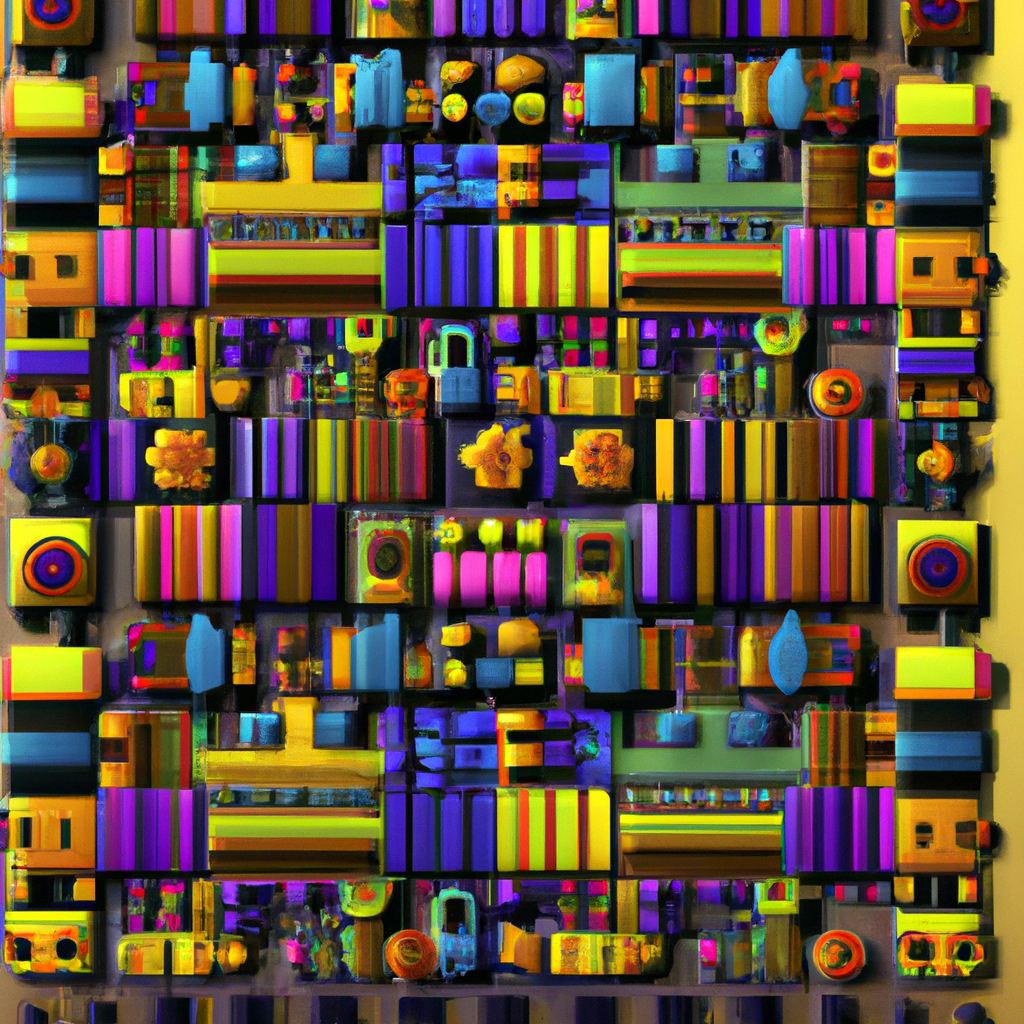
The Fabric of Fantasy: Weaving Diverse Cultures into Storytelling
In a world where stories inhabit the realms of reality and imagination, fantasy literature has always provided fertile ground for creativity and exploration. However, modern fantasy is undergoing an exciting transformation, moving beyond traditional archetypes and familiar tropes to embrace a more inclusive approach. This shift not only enriches narratives but also reflects the diversity of the human experience.
The Importance of Cultural Representation
Fantasy allows authors to shape entirely new worlds, yet these worlds often mirror the complexities of our own. By incorporating diverse cultural elements, fantasy writers can foster a greater understanding of different traditions, beliefs, and experiences. Such representations not only entertain but also educate, encouraging readers to engage with cultures they may be less familiar with.
Breaking Stereotypes
The integration of diverse cultures in fantasy narratives allows writers to dismantle stereotypes that have long been present in literature. For years, fantasy stories have relied on a narrow set of characters and conflicts, often perpetuating binaries and exclusions. As readers become more aware of these issues, authors are challenged to create characters that reflect the world's diversity, resulting in richer, more textured storytelling.
Expanding the Narrative Landscape
By weaving a tapestry of varied cultural inspiration, fantasy stories can explore previously uncharted themes and ideas. For example, The Poppy War by R.F. Kuang draws heavily from Chinese history and mythology, allowing readers to experience a story rooted in actual events, rather than a loose amalgamation of Western traditions. Such narratives can introduce readers to concepts from other cultures, such as the significance of ritual, kinship, and community, thus deepening their understanding of the world.
Fusion of Mythologies
One of the most exciting facets of contemporary fantasy is the fusion of various mythologies. Authors are increasingly blending elements from different cultural backgrounds to create innovative backdrops for their stories. Works like The Bear and the Nightingale by Katherine Arden intricately weave Slavic folklore with a coming-of-age narrative, showcasing the intersection of personal and cultural identity. This approach not only enriches the storytelling experience but also highlights how deeply interconnected human experiences are across cultures.
Character Depth and Complexity
When authors draw from a multitude of cultural influences, they breathe life into their characters. Multi-dimensional characters shaped by rich, diverse backgrounds resonate more deeply with readers. These individuals often struggle with their cultural identities, providing relatable themes of belonging and acceptance. This focus on character complexity aids in creating stories that resonate with broad audiences while honoring specific cultural narratives.
The Role of Language and Dialogue
Language plays a critical role in conveying the essence of a culture. Writers can use elements of different languages or dialects to create authenticity in dialogue and cultural interactions. This technique can also enrich the narrative, challenge preconceived notions, and enhance the reader's immersion into the fantasy world. By skillfully integrating linguistic elements, authors can create a stronger sense of place and cultural identity.
A Call for Inclusivity in Fantasy
As readers become more vocal about the need for inclusivity, the future of fantasy storytelling holds great potential. Authors are beginning to answer this call by exploring diverse characters, narratives, and cultural elements. This vital shift is crucial for refreshing the genre and embracing storytelling that reflects our interconnected global landscape.
Conclusion
The future of fantasy storytelling lies in its ability to adapt and embrace cultural diversity. By weaving together various cultural narratives, modern fantasy authors create stories that not only entertain but also educate and foster understanding among readers. In this rich tapestry of fantastical tales, we can see the reflection of our own world—a world where every story deserves to be told, and every culture has a place. Let us celebrate this evolution and encourage more tales that inspire and unite us through our shared experiences.
Discussion
Join the conversation. Sign in to post a comment.
Sign In
No comments yet. Be the first to share your thoughts!