The Internet of Things (IoT) and Cybersecurity: Securing a Connected Future
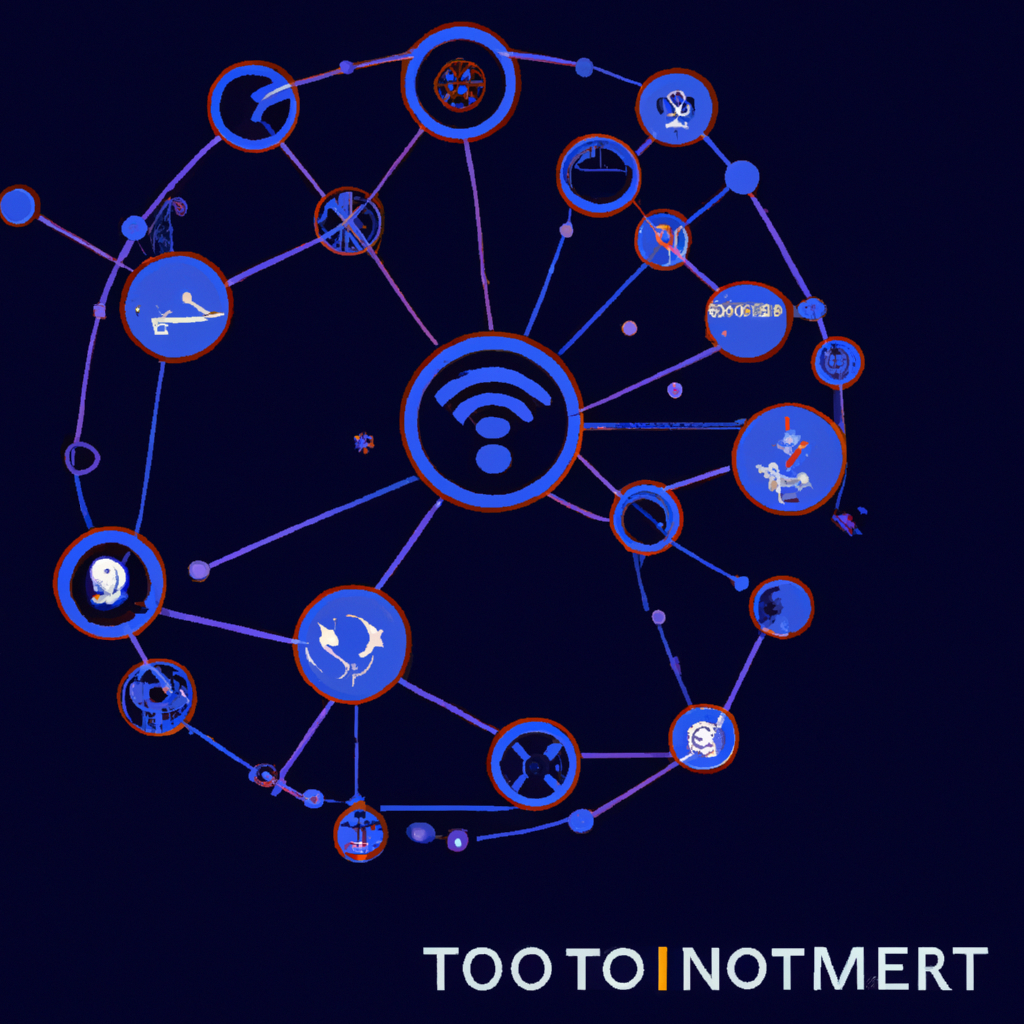
The Internet of Things (IoT) and Cybersecurity: Securing a Connected Future
In recent years, the Internet of Things (IoT) has become a dominant force in the technological landscape, promising enhanced convenience and efficiency across various sectors. From smart home devices to industrial automation, IoT applications are vast and varied. However, as the number of connected devices grows, so does the potential attack surface for cybercriminals. In this article, we explore the unique cybersecurity challenges posed by IoT devices and discuss effective strategies to secure this interconnected ecosystem.
Understanding the IoT Landscape
IoT refers to the network of physical devices connected to the internet, enabling them to collect and exchange data. This connectivity enhances functionality and leads to smarter operations. For instance, in healthcare, connected devices can monitor patients in real-time, while in agriculture, IoT sensors can optimize crop yields. However, with these benefits come significant security risks.
Recent studies have shown that many IoT devices are shipped with minimal security measures, making them easy targets for attacks. Common vulnerabilities include hardcoded passwords, unencrypted communications, and outdated firmware. According to a report by security firm Symantec, IoT attacks increased by over 50% in just one year, underscoring the urgent need for enhanced security protocols.
The Vulnerabilities in IoT Devices
- Insecure Networks: IoT devices often connect to home or corporate networks that may lack robust security measures, allowing unauthorized access.
- Lack of Regular Updates: Many IoT devices do not receive security updates, which prevents them from defending against new threats and vulnerabilities.
- Inadequate Authentication: Weak authentication methods can easily be bypassed, allowing attackers to gain control over devices.
- Data Privacy Concerns: IoT devices frequently collect sensitive data, raising significant privacy and compliance issues if that data is not properly secured.
Strategies for Securing IoT Devices
To ensure that IoT devices contribute to a safe, connected environment, organizations and consumers need to adopt layered security strategies:
1. Prioritize Strong Authentication
Implement strong, unique passwords for each device, and consider enabling two-factor authentication where possible. Some devices should also allow biometric authentication to enhance security further.
2. Regular Firmware Updates
Keeping firmware up-to-date is crucial. Manufacturers should establish a clear process for delivering updates, while consumers and organizations must prioritize these updates.
3. Network Segmentation
Segregate IoT devices on different networks from critical business systems or personal devices. This can help limit the impact of any potential breaches.
4. Monitor and Manage Devices
Utilize management solutions that can provide insights into device behavior and alert users to suspicious activity. Continuous monitoring is critical for detecting and responding to threats in real-time.
5. Implement Encryption
Ensure that data stored on IoT devices is encrypted, especially if it's sensitive information. Additionally, using secure communication protocols (like HTTPS and TLS) can protect data in transit.
6. Educate Users
Awareness plays a vital role in minimizing risks. Organizations should invest in training sessions that educate users about the risks associated with IoT devices and best practices for securing them.
The Road Ahead: Balancing Innovation with Security
While the potential of IoT is immense, so too are the challenges it presents in terms of cybersecurity. Organizations must strike a balance between embracing cutting-edge technologies and implementing robust security measures. As IoT continues to evolve, interoperability and security standards will also need to adapt. By fostering a culture of security and embracing innovative solutions, both consumers and businesses can enjoy the benefits of IoT while minimizing its risks.
In conclusion, as we advance into a more connected future, prioritizing IoT cybersecurity will be paramount. Only then can we harness the full potential of these intelligent devices without compromising our security or privacy.
Conclusion
The Internet of Things is reshaping our world in profound ways, but its success hinges on our ability to secure it effectively. By adopting proactive measures and fostering a security-first mindset, we can enjoy the many benefits of IoT while shielding ourselves from significant cyber threats.
Discussion
Join the conversation. Sign in to post a comment.
Sign In
No comments yet. Be the first to share your thoughts!